The desk
Monday, November 9, 2026
Sheet one of one
A desk built around a board
The CanAm Herald is a small cross-border desk that reports the United States and Canada line as a system. Six circuits stay open: trade lanes, ports of entry, rail, water, energy, and the towns that sit on top of all four. Each circuit has a state, a schedule and a person who answers for it during a shift.
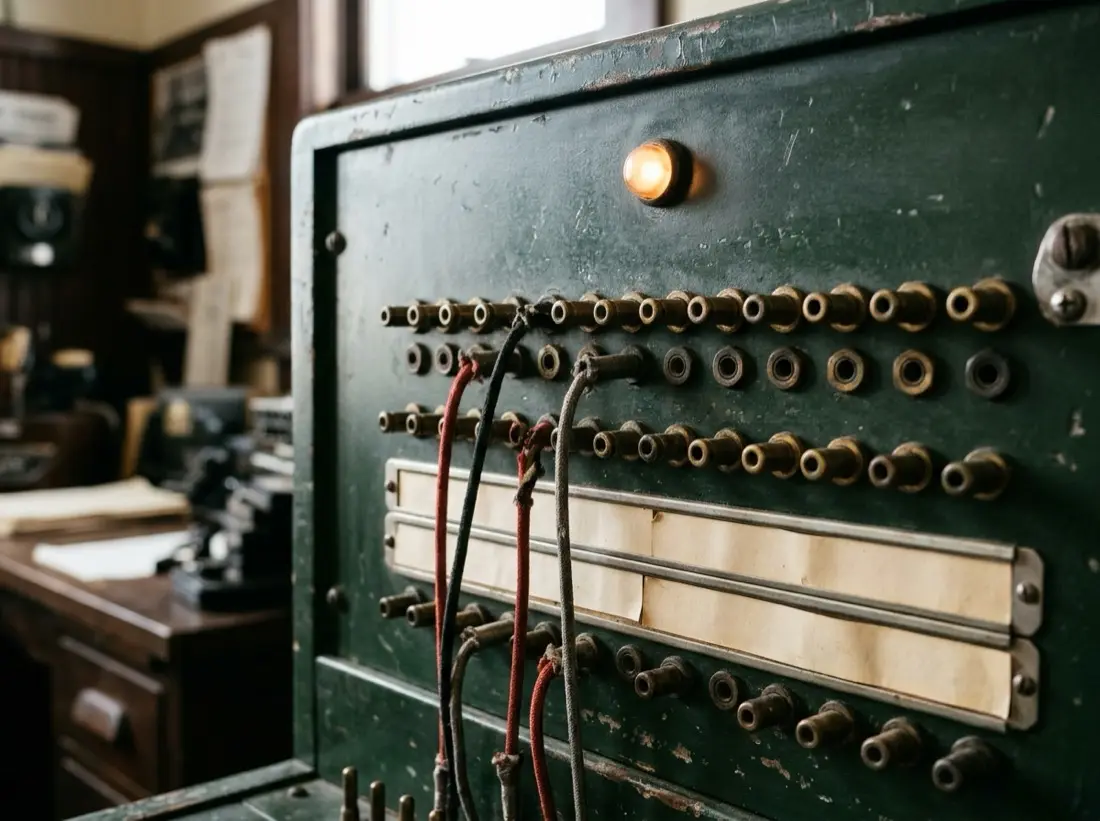
Why a board instead of a feed
A feed rewards whatever arrived last. A board rewards whatever has been checked and left in a known state. For a border beat the difference matters, because the same crossing can produce a dramatic story on Monday and a dull correction on Tuesday, and the correction is usually the more useful of the two.
Keeping a board means the desk can say what it is watching when nothing is happening. That is the part most readers never see, and it is the part that makes the reporting possible when something does happen. A reporter who has walked the same lane for a year notices a new clipboard before a press release mentions a policy.
The board also sets the vocabulary. Open, holding and filed are not decoration. They tell a reader whether a question has an answer yet, whether the desk is waiting on a document, or whether a note has been written and the circuit has gone quiet.
Who is on shift
Three roles cover a normal overnight. A night editor runs the round, sets the state of each circuit and decides what gets written before dawn. A lane reporter works the crossings on foot, counting and photographing what the official numbers describe later. A documents desk pulls filings, agendas, tariff schedules and gauge records, and answers the question the other two keep asking: where does this number come from.
Nobody on the desk covers a beat they cannot walk to. That rule is impractical in a border region this long, so the desk works with stringers at the western crossings and says so in the item when the reporting is theirs. A stringer file is marked as a stringer file.
How an item gets checked
Every figure has a document behind it, and the document is named in the text. Where two official sources disagree, both figures run and the gap is described. Where a figure cannot be obtained, the item says so. The desk would rather publish an incomplete number with a note than a rounded number with no provenance.
Photographs come from the desk unless a credit says otherwise. Captions state the time of day and the location, not the mood of the scene. Quotes are reproduced as delivered, and a translated quote carries a note that it was translated.
Corrections
A correction runs at the top of the item it corrects, dated, with the original wording and the replacement. Silent edits are not made. If the correction changes the meaning of a headline, the headline changes too and the change is noted in the same place.
The contact form is the intake channel for corrections. Send the item, the sentence and the document that settles it. The desk replies when the check is complete, not when the message arrives.
The desk keeps a public list of what each circuit watches. If you work a crossing, a yard or a plant on the line, that list is the fastest way to see whether your question is already on the board.
Read the circuits