01
openTrade lanes
Freight that crosses by road: tariff lines, broker filings, customs holds and the queue that builds behind a single missing form. The desk tracks the paperwork before it tracks the delay.
checked 02:15 / booth 4
National edition
Monday, November 9, 2026
Six circuits on the board
Board open
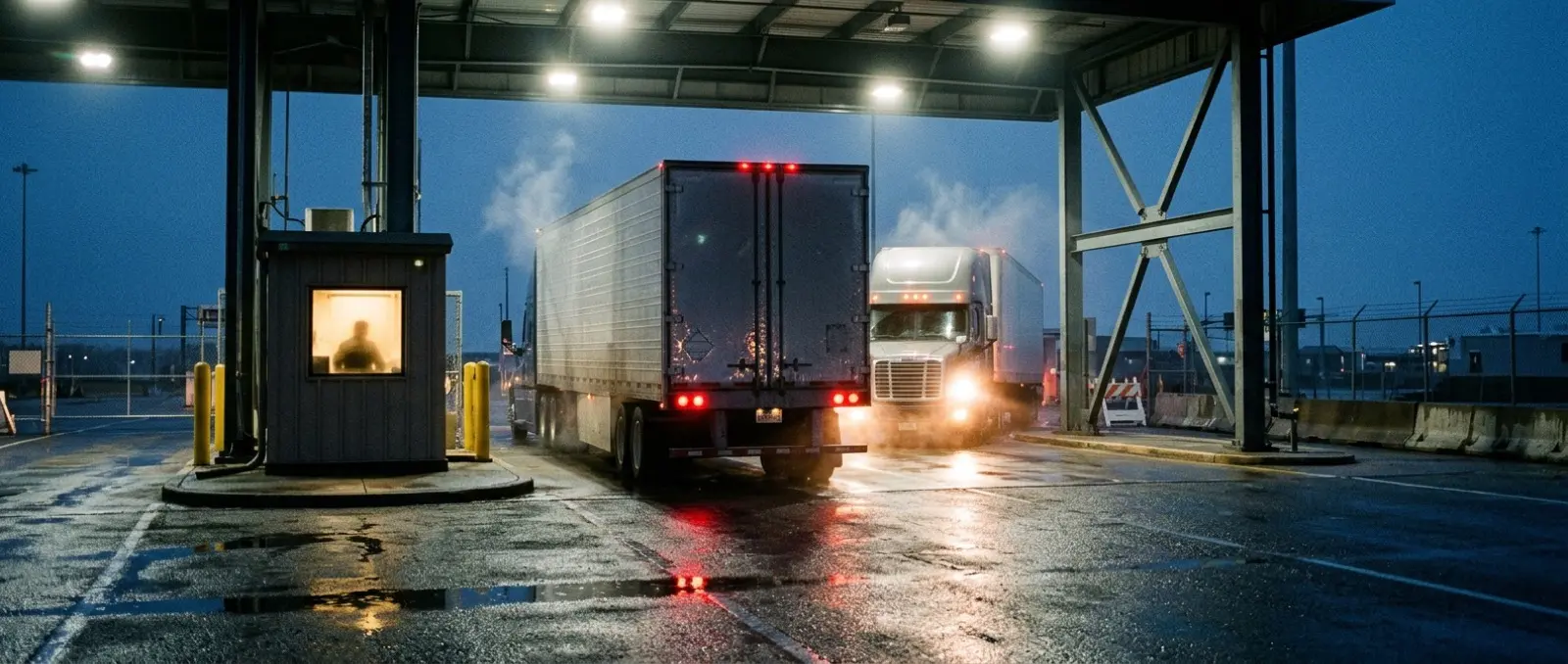
The night patch
Cross-border reporting from both sides of the line
On the desk
A small editorial desk that watches the United States and Canada border as a working system: freight, water, power, rail and the towns that sit on top of all four.
Most coverage of the line arrives as a verdict: a delay, a closure, a strike, a number that went up or down. This desk works the other way. It keeps a board, checks each circuit on a schedule, and writes down what changed and what it could not confirm. Some shifts the board is quiet. The log still gets written.
The publication is based at Buffalo and Fort Erie, which means the reporting starts on foot as often as it starts on a phone. A lane count is a walk down a sidewalk. A water reading is a gauge nailed to a pier. The desk treats those observations as the base layer and the official summary as something to check against them.
State as of the last round
Freight that crosses by road: tariff lines, broker filings, customs holds and the queue that builds behind a single missing form. The desk tracks the paperwork before it tracks the delay.
checked 02:15 / booth 4
The buildings and the people inside them. Lane counts, hours, inspection bays, and the staffing decisions that turn a ten minute crossing into a ninety minute one.
checked 02:40 / lane 11
Class one manifests, interchange yards, and the short lines that feed them. A blocked spur in one province shows up as an empty shelf in another state six days later.
awaiting interchange report
Lake levels, river gauges, lock schedules and drinking water intakes. The Great Lakes carry the same freight argument as the highways, only slower and with more paperwork.
checked 01:55 / gauge 2
Interties, pipeline permits and the price spread that decides which direction power runs at four in the morning. Rates and capacity, not announcements.
checked 03:05 / intertie log
Municipal councils, school boards, border-strip retail and the volunteer fire departments that answer calls on both sides. Small decisions with a line running through them.
checked 03:20 / Fort Erie
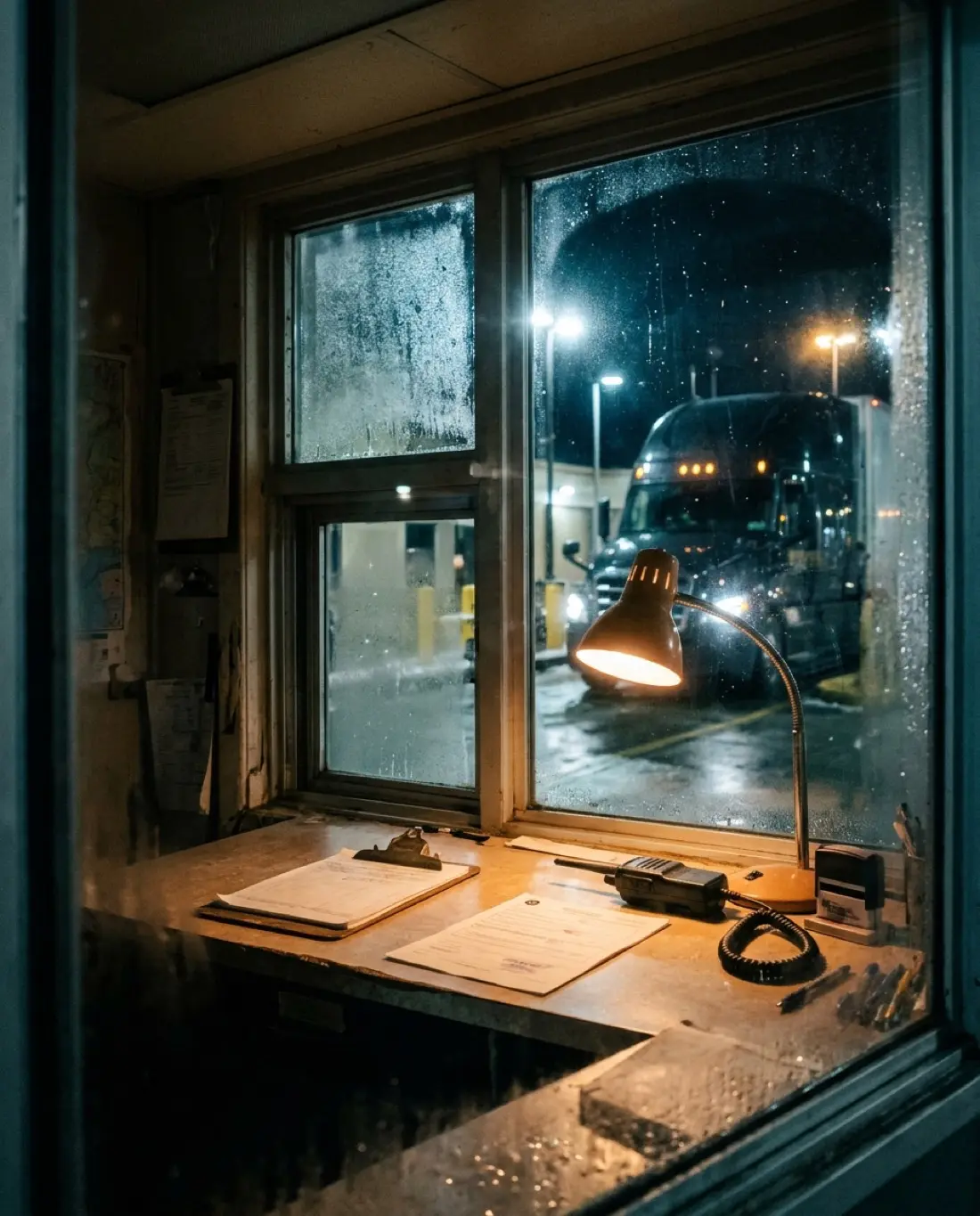
Four entries, held on the board
01:40
Trade lanes
A flatbed carrying two turbine housings sat at the Ambassador Bridge for fifty minutes over a certificate that listed the wrong port of export. The load cleared after the broker refiled. The desk is asking whether the same certificate error is repeating across the week.
02:25
Water
The Buffalo gauge moved four centimetres in six hours, which is small until it is multiplied by the fetch across the lake. Two marinas downstream have already pulled their seasonal docks. The desk will recheck after the overnight wind.
03:10
Rail
An interchange report from the Windsor yard lists ninety six cars held for inspection, most of them auto parts. That number matters to a plant in Ohio that runs on a four day buffer, not to the yard that filed the report.
03:55
Towns on the line
Fort Erie council added a line to its agenda about the ferry dock lease. The item is small, but the lease decides who pays for the parking lot that both the marina and the crossing use. The desk has asked for the draft.
Run at both ends of every shift
Every circuit gets looked at, including the quiet ones. A circuit that has not moved in three shifts is either settled or unattended, and the difference matters.
The filing, the manifest, the agenda, the gauge reading. A press release is a claim about a document, and the desk treats it that way.
When the agency figure and the operator figure disagree, both go in the item with a line explaining the gap. One number alone hides the disagreement that readers actually need.
Open means the circuit is live and being checked. Holding means the desk is waiting on a document and will say so. Filed means the note is written and the circuit is quiet.
Each shift leaves a short entry that names the time, the circuit and what changed. Log lines are not articles. They are the record that an article can be built from, and they stay on the board.
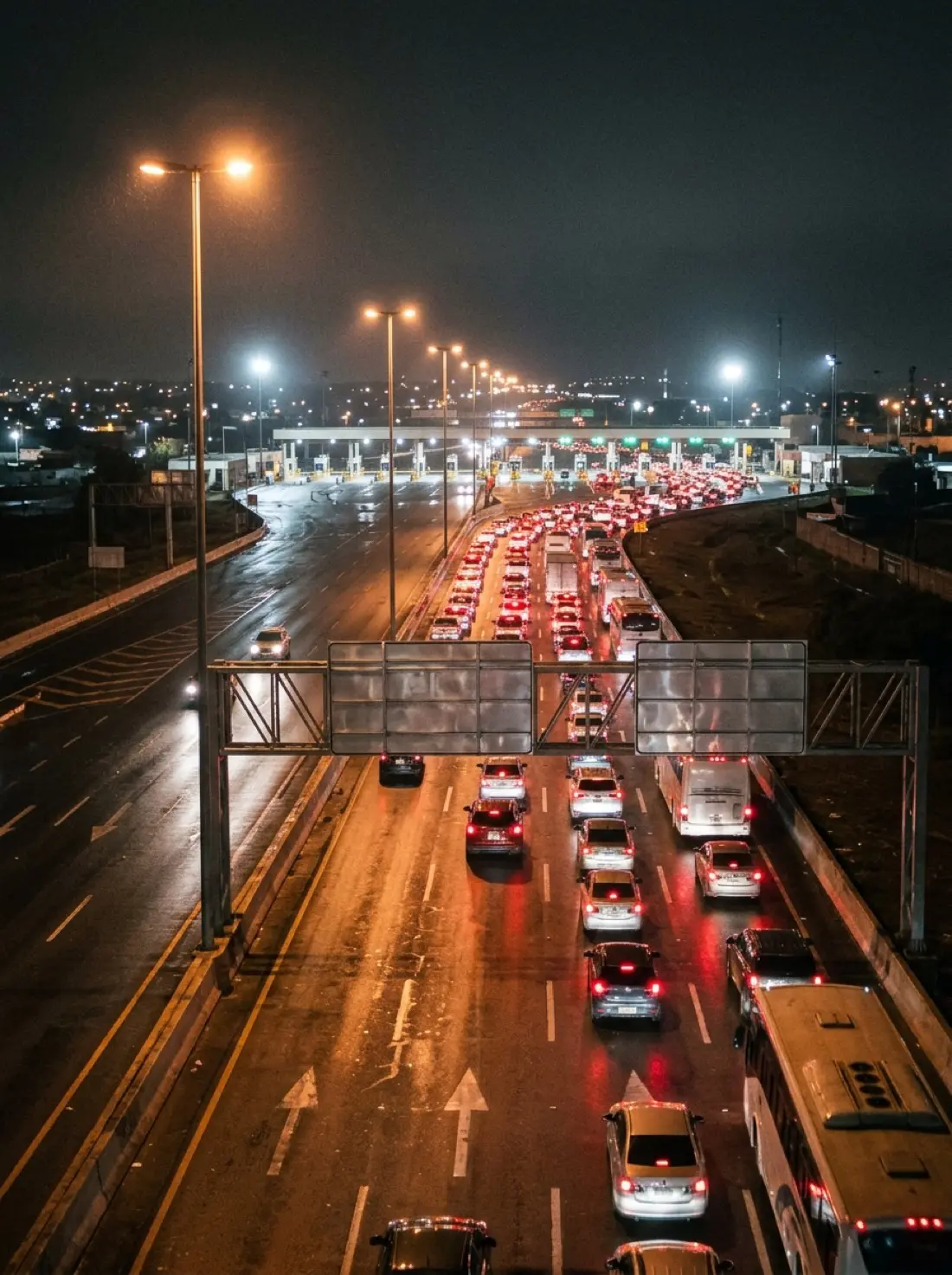
Six crossings, listed by what the desk watches
The table is not a travel guide and it does not publish wait times. It records which crossing belongs to which corridor and what the desk checks there, so a reader can tell whether a single bad night is local or systemic.
| Crossing | Corridor | What the desk watches | Recheck |
|---|---|---|---|
| Ambassador Bridge | Detroit to Windsor | Commercial clearance, broker filings, span maintenance windows | Hourly, 22:00 to 06:00 |
| Peace Bridge | Buffalo to Fort Erie | Passenger lanes, commuter volume, truck queue on the approach | Twice per shift |
| Peace Arch | Blaine to Surrey | Passenger processing, port hours, summer lane changes | Twice per shift |
| Lacolle | Champlain to Saint-Bernard-de-Lacolle | Truck inspection bays, secondary referrals, staffing | Per shift |
| Coutts | Sweetgrass to Coutts | Agricultural loads, livestock paperwork, seasonal closures | Daily |
| Emerson | Pembina to Emerson | Grain and rail interchange, flood closures on the approach | Daily |
The vocabulary is deliberate. A circuit that is holding is not a circuit that is broken, and a filed note is not a closed question.
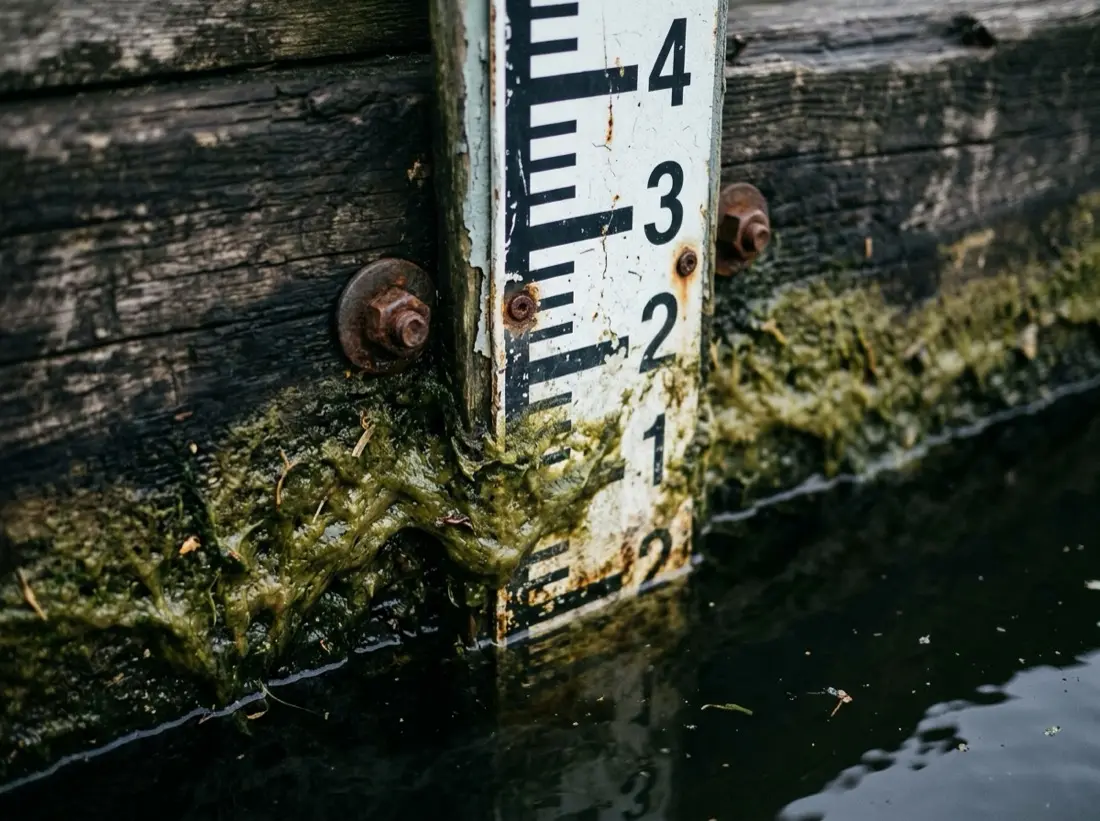
Gauge two, river side, read by hand
Standing rule
Every item names the document it rests on and the shift that checked it. When a source will not release a figure, the item says that instead of borrowing a number from somewhere else. Corrections run at the top of the corrected item, dated, with the change described in plain words.